A Taste of Freedom: Coming of Age in a 1949 Plymouth Deluxe
What was your first car? The one that could be used anytime without asking for permission?
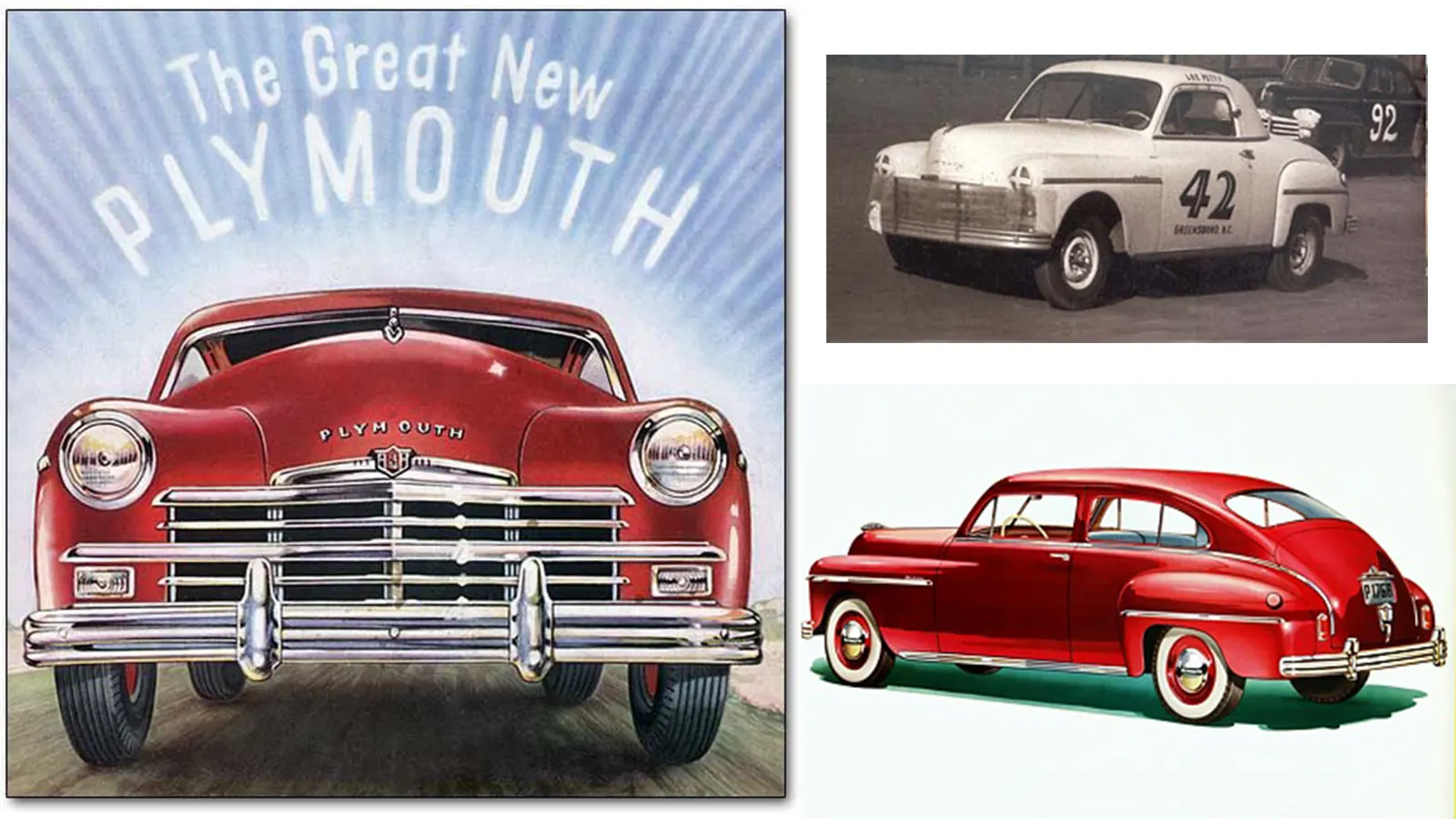
Well, my first car was a hand-me-down, 13-year-old 1949 Plymouth Deluxe 2-door slantback sedan, painted a light gray.
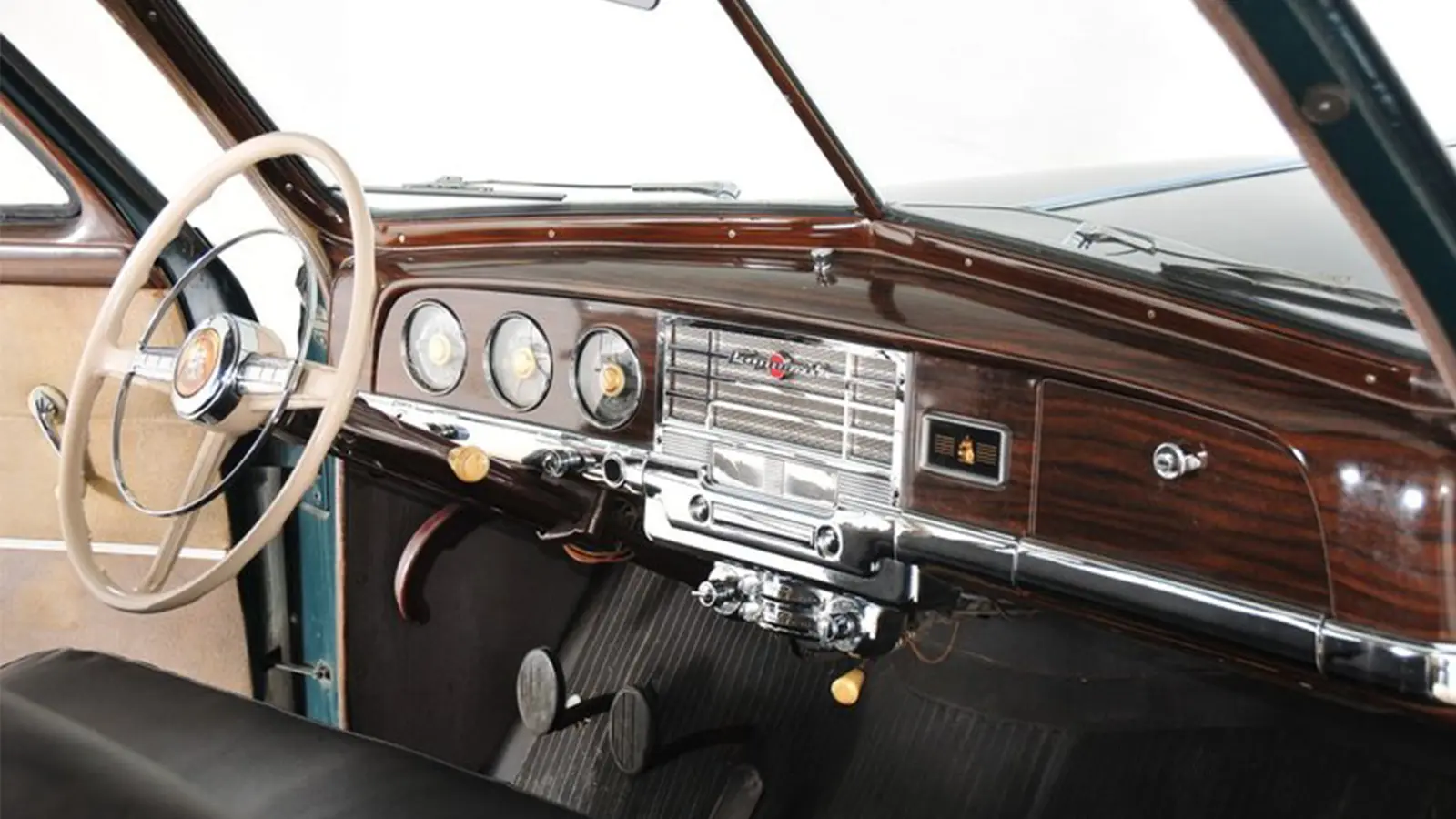
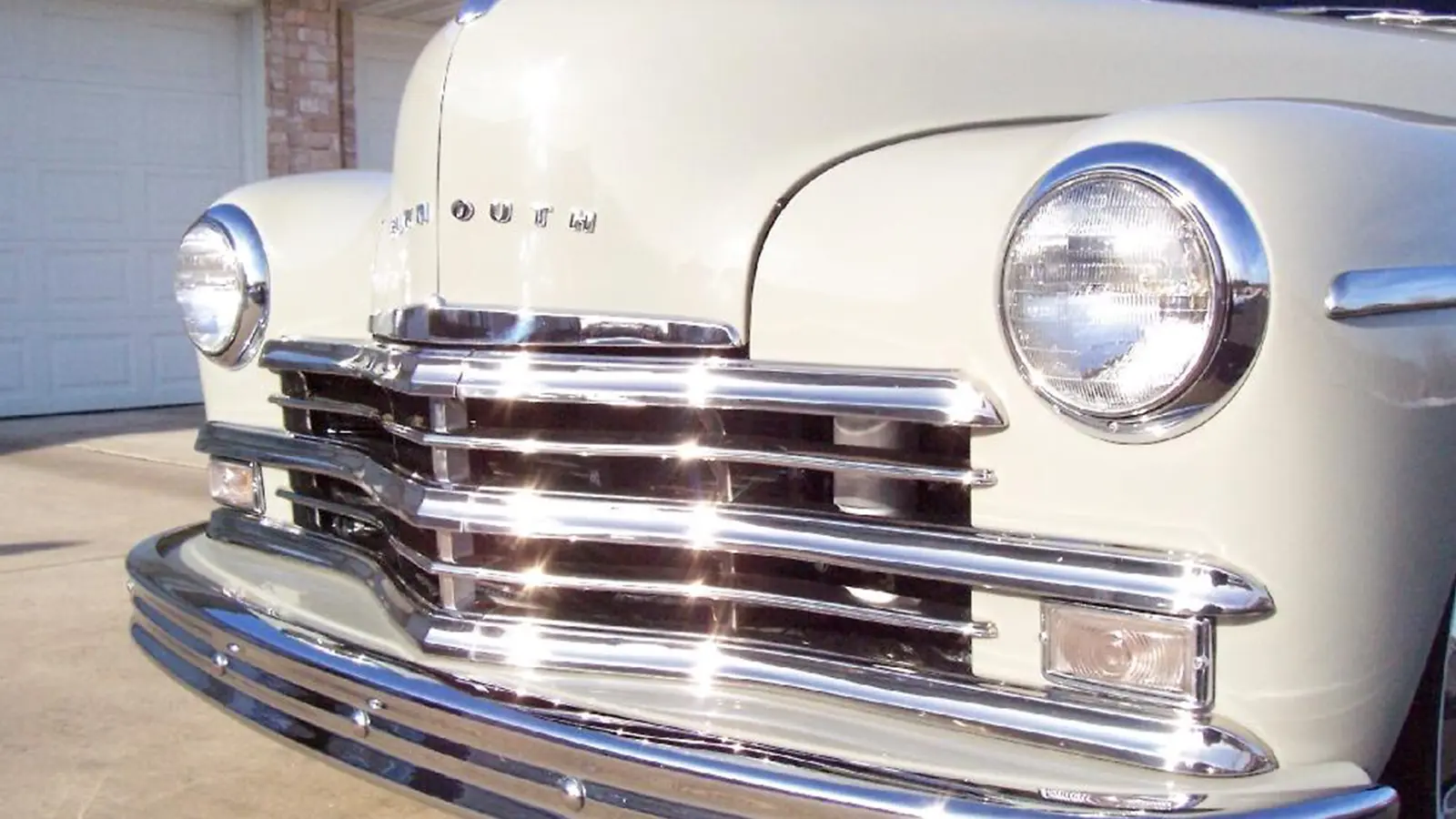
There were two models that year, the Deluxe and the Special Deluxe. So what was so special about this Special Deluxe? Well, it wasn’t named for the two-patty, special sauce on a sesame seed bun burger. But, it did have more chrome trim, better upholstery, and a longer wheelbase. Also, most 1949 Plymouths had a beautiful faux woodgrain dashboard. All had the hood ornament depicting the Mayflower. You know, Plymouth Rock, Pilgrims, and the ship that brought them. For 1949, Plymouth offered newly designed bodies. Yet, their mechanical components dated back to the early 1940s.
The Extinction of a Classic
Like the T. rex and the Woolly Mammoth, the Plymouth is now extinct. Plymouth was part of the Chrysler Corporation and 1928 was its first year of production. The 1928 Plymouth used a hydraulic braking system that was quite advanced for its era. Plymouth’s main competitors were Ford and Chevrolet. In 2001, the Plymouth was phased out, although some of their cars were rebadged as a Dodge.
The 1949 Plymouth’s engine was an inline six-cylinder flathead engine producing a whopping 95 hp. Top speed was around 80-ish mph, and I never tried to verify that! Plymouth, like Chevrolet, would have to wait until 1955 for a V8 engine. I still love the smooth purr of a straight-six engine. The transmission was a manual 3-speed with a column shifter. The two top gears were synchronized, but first gear was not.
A Hand-Me-Down with Character
The 1949 Plymouth was bought new by my grandmother. When she upgraded to a 1955 Plymouth, my father bought the 1949 for my mother to use. Mechanically, it was in excellent condition. Body-wise, it was mostly rust-free. However, one rainy day my friends riding in the back complained their feet were getting wet. I found the floor pan had rusted out.
The front was not much better. My father had picked up an old homemade race car. Its body was made of sheets of galvanized metal. I fabricated a new floor pan with them. Not a thing of beauty, but it did the job.
No, it wasn’t my dream car. That was the 1963 supercharged Studebaker Avanti. Nevertheless, when my parents handed me the keys, I was thrilled. Now I had use of a car 24/7, with no more begging to use the family car. It was a taste of freedom I hadn’t experienced before.
Friday Fish Fries and White-Knuckle Corners
Socially, it was a big deal too. No more going to the drive-in movies with the parents. Friends would pay my entrance fee to the movies. I could drive to the stock car races on weekends. Also, go out for pizza, McDonald’s, or Howard Johnson’s all-you-could-eat Friday fish-fry. Actually, we found three helpings of fish were all they allowed you to eat.
The Plymouth’s engine was smooth and reliable. The ride was good, but its cornering ability could be a white-knuckle experience. It loved to lean into the corners, which had me wondering how Lee Petty, father of Richard Petty, won several stock car races in a 1949 Plymouth just like mine.
Interestingly, the old Plymouth had one thing that the hot rod crowd wanted: the cool-looking one-year-only ribbed bumpers. My only hot rod modification was to swap out the small plastic shift knob for a large round chrome one.
Junk Yard Upgrades and Grease Monkeys
However, there was one very important item missing from this car: a radio. Luckily, my friend Jimmy told me his grandfather’s old 1950 Plymouth had one. It was sitting behind his father’s Shell gas station and it was mine for the taking. The biggest issue I had was cutting a hole in the fender for the antenna. With help from my father, this was accomplished without destroying the fender. Those old radio units used tubes, light bulb-looking things, that often went bad. Amazingly, when I switched the radio on, it worked.
For years, cars and trucks used vacuum-powered windshield wipers. However, there was a problem with them. Under hard acceleration, the wipers would slow down or stop working. Yep, when you needed them, they shut down.
Oddly, oil filters were considered an option for your car’s engine. Fortunately, the Plymouth had an oil filter system. One thing that was standard on many old cars was the oil-bath air filter. They looked like a big covered pot and the bottom was filled with oil. You had to be real careful not to dump a couple of quarts of oil out while removing it. Yes, my blue jeans were not blue anymore.
Additionally, it was my duty to service the Plymouth. This included changing the oil, filter, and greasing the car. Once a year that air filter had to be cleaned out too. Installing spark plugs and points when needed. Another messy project was greasing the front wheel bearing. I had to clean out the old grease and ‘hand-pack’ new grease into the bearings. Now you know why mechanics were often called ‘grease monkeys’.
Stranded in Maine
The old Plymouth only let me down once. The fan belt let go while driving through Maine. The belt also drives the water pump and generator. You’re not getting far without it. Luckily, I was near a service station. In the back of the service bay was a wall covered with belts. The mechanic took a long stick and snatched one off the wall. It was a perfect fit. Service stations were just that. Along with selling gas, they would do all those messy, knuckle-busting repairs for you.
In 1962 my grandmother started using my grandfather’s 1961 Buick LeSabre. Her 1955 Plymouth was turned over to me and the 1949 Plymouth was sold.
Oh, the ’55 Plymouth was a V8 and looked very much like the ’55 Chevy.
My mother’s new car? Well, it was very special… Stay tuned.