New 2026 Car Laws in Massachusetts and NH
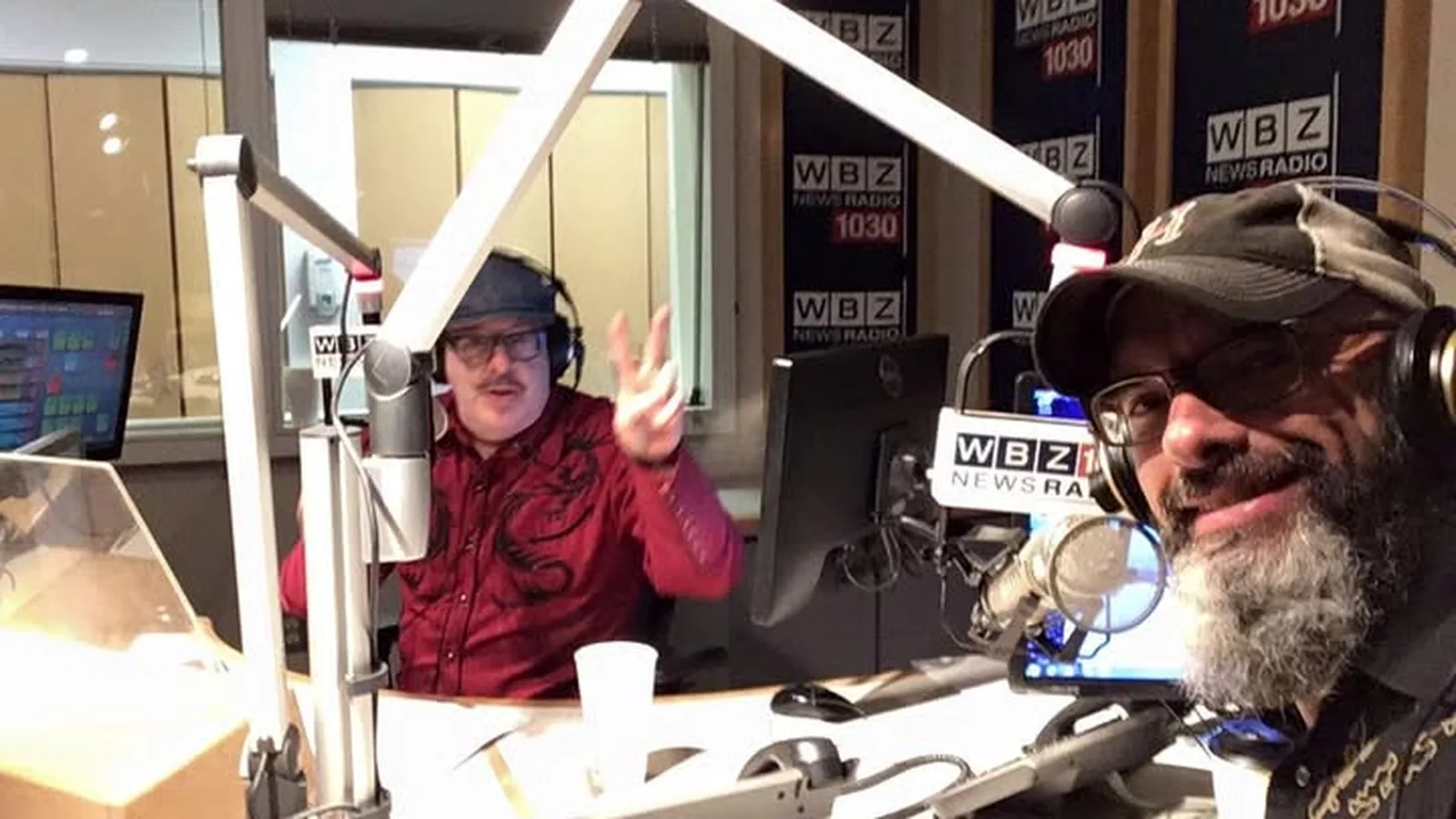
DrivingNewEngland.com contributor and NEMPA Member Craig Fitzgerald returned to WBZ NewsRadio 1030’s NightSide, with Bradley Jay again in for Dan Rea, to look ahead at what is changing in the automotive world for 2026. The conversation ran from feature creep and self-driving cars to highway safety and a batch of new driving laws taking effect across New England.
Listen to the full segment on WBZ NewsRadio 1030’s NightSide with Dan Rea:
When yesterday’s luxury becomes standard
Craig arrived in a Hyundai Palisade, the eight-passenger, three-row SUV that shares its bones with the Kia Telluride. What struck him was how much high-end equipment now shows up at every price point. Heated seats, a heated steering wheel, even massaging seats that switch on automatically were once the province of a Mercedes S-Class. Today you will find most of that technology in something as affordable as a Ford Escape, which Ford plans to discontinue. The reason is simple economies of scale: once a power window motor is cheaper to install on every car than to offer as an option, everybody gets it.
Self-driving is not actually here
Asked whether cars can drive themselves yet, Craig was blunt: not really. Systems like Ford’s BlueCruise and Chevrolet’s Super Cruise are very intelligent cruise control. They hold their distance, and they will even change lanes without your hands on the wheel, but they cannot take an address and simply deliver you there. True door-to-door autonomy, he said, is still a long way off.
Do we really care about safety?
The heart of the segment was a debate about safety. Craig traced how Volvo essentially invented safety marketing, followed by Mercedes and Subaru, once automakers realized most buyers are parents who want to protect their families. The results are dramatic. He pointed to federal data showing the highway death rate falling from around five deaths per hundred million vehicle miles to roughly 1.3 today. The biggest single step was the 1967 federal motor vehicle safety standards that mandated seatbelts, collapsible steering columns, and head restraints, followed over the years by seatbelt laws, tougher drunk-driving enforcement, anti-lock brakes, airbags, and stability control.
The car that won’t let you run a red light
Could a car simply refuse to run a red light? Craig sees it coming, just not soon. The building blocks are already here in the form of lane-keeping assist, blind-spot monitoring, and driver-attention systems in 2026 models that count your blinks and warn you when you are getting drowsy. The next step is vehicle-to-vehicle and vehicle-to-infrastructure communication, where cars talk to each other and to traffic signals to avoid collisions. He would bet it arrives in 20 to 25 years, held back less by technology than by the cost of upgrading the nation’s infrastructure.
New driving laws for 2026 in New England
Craig closed with the practical stuff: new rules taking effect January 1 across the six New England states. In Massachusetts, the big change is rental-car insurance. The state had been one of only about ten where the rental company carried primary coverage, and in 2026 the renter becomes the primary insurance holder instead. His advice: check that your own policy and credit card coverage extend to rentals, and photograph or video the car, especially the wheels, before you drive off the lot.
In New Hampshire, the headline is even bigger. The state is eliminating its annual safety inspection as of January 1, making it the only New England state without one. Drivers may save the inspection fee, but Craig noted the state simultaneously raised registration, license, and title fees, projecting an additional $31.5 million in revenue. He expects rust and bald tires to be the real casualties, and he could not resist admitting that few things bother him more than a set of bald tires.
This was only Part 1. The hosts kept Craig on for another hour, so listen to the full segment above for the rest of the conversation.