Wink Mark3 and Slate Truck Bet on Small, Cheap EVs
A handful of new developments show that American car companies finally are taking a realistic approach to electric cars. The most interesting and promising new initiatives come from young companies operating outside of the traditional American auto industry. That isn’t surprising, because the established U.S. vehicle makers – Ford, General Motors, and the remnant of what was once Chrysler Corporation – are in tailspins after they fumbled the first wave of electric vehicles.
The newcomers are preparing electric models that are small and lightweight. They’re intended more as quick-trip, close-to-home little scramblers, and as city run-abouts, rather than hulking, do-it-all journeyers that pretend to be one-to-one replacements for traditional cars. Despite what executives at established auto companies once believed, electrics always were destined to be short-distance auxiliary assistants. The laws of physics demand it. Such laws – Nature’s principles governing electricity’s absorption rate, its dissipation characteristics, and such – demand that electric buggies be small and lightweight, and stay close to a charging plug.
Some new and soon-to-arrive models from upstart companies take that approach. They’re inaugurating a whole new category of cars in America that the big guys missed.
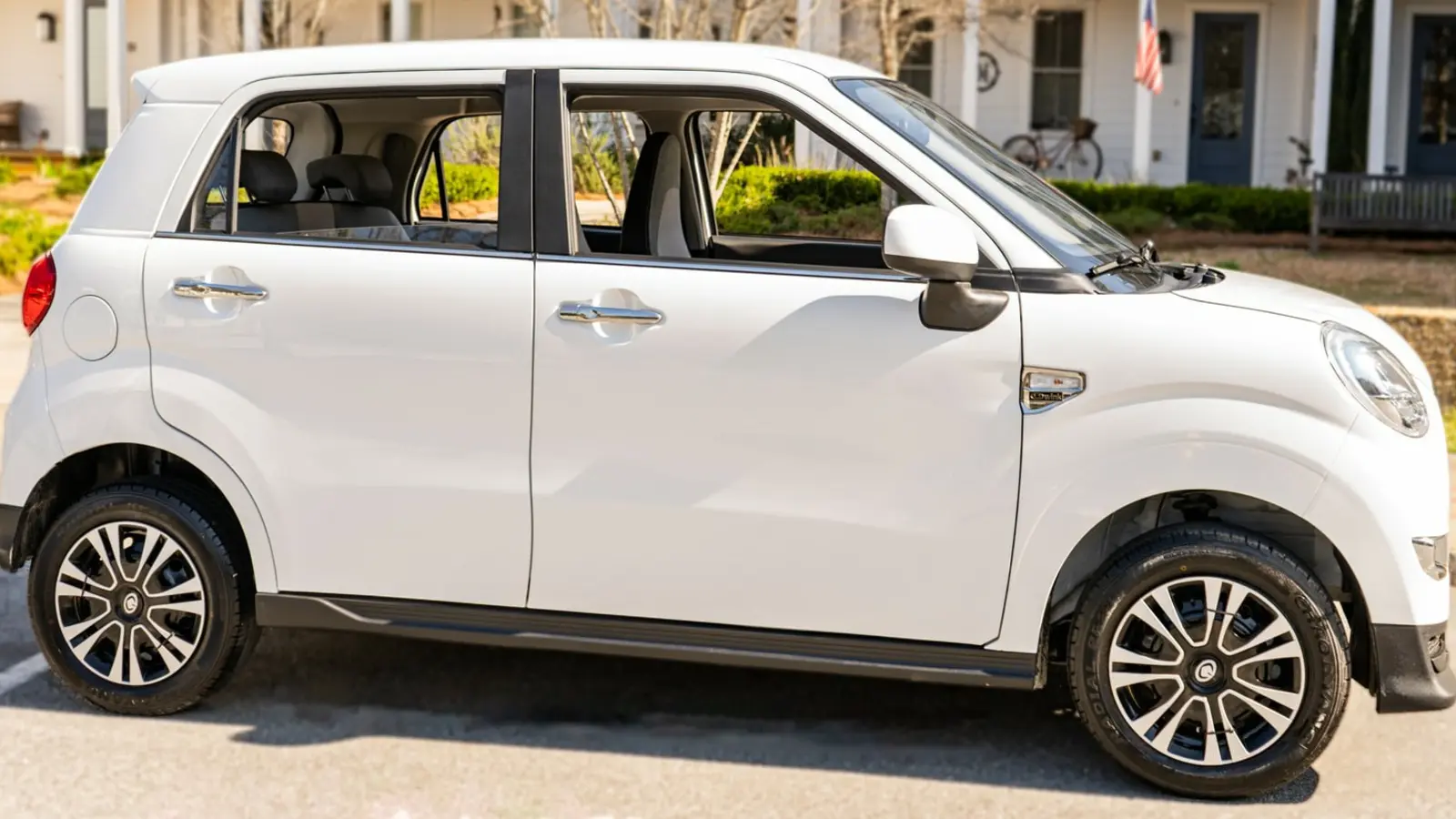
Wink Motors already sells a miniature, battery-powered, fully enclosed five-door hatchback that the U.S. Department of Transportation labels a low-speed vehicle, or LSV. The category covers passenger wagons restricted to streets with speed limits no more than 35 miles per hour.
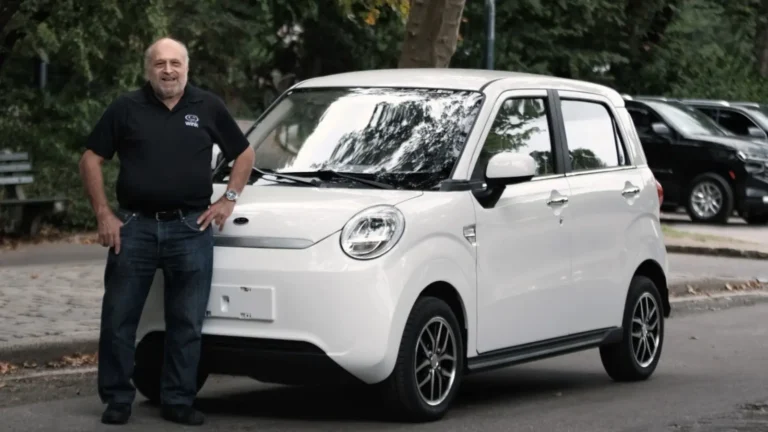
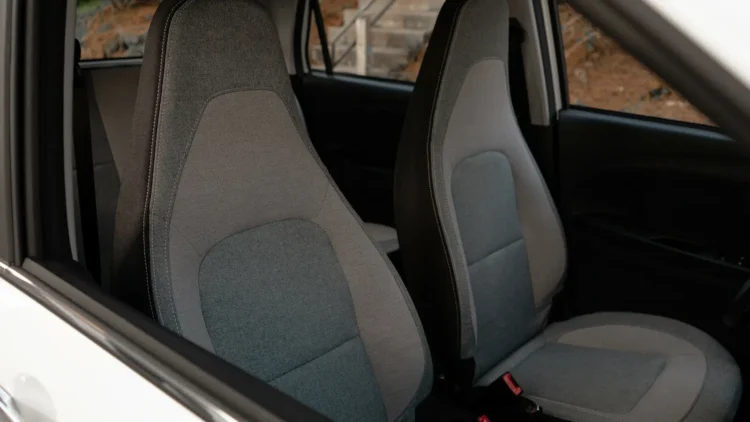
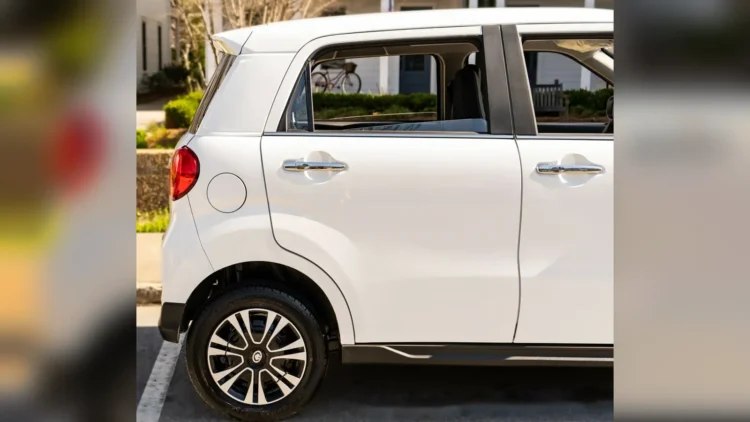
At 11 feet long and a bit less than five feet wide, the Wink Mark3 covers an area no larger than some dining room tables. Its height of five-and-one-third feet gives the small scamp an upright aspect, almost like a little SUV. But the blunt-nosed, goggle-eyed scooter lacks the generous back-cabin cargo area of a sport-utility – although, when its rear seat is unoccupied, it folds down to make more package room. Wink advertises that the model handily accommodates four adults, dimensioned up to six-and-a-half feet tall and tipping 300 pounds.
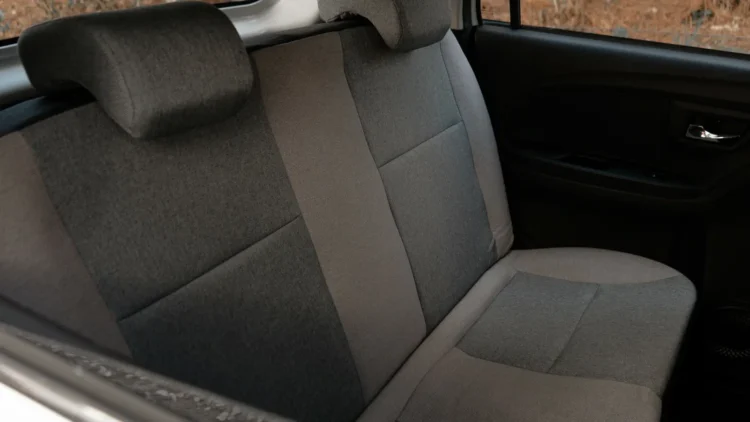
Mark Dweck, the founder and head of Wink Motors, emphasizes that the Mark3 is a sturdy and solidly constructed car. Its all-metal frame, and metal exterior body panels, are welded together into a uni-body structure like nearly every other passenger vehicle made today, including many of the largest sport-utilities.
To mesh with American motoring desires, even a small, close-to-home car “has to be substantial,” says Dweck. “It can’t be flimsy. It has to be a car you can use every day.”
To make the point, he notes that versions of the Wink Mark3 sold in other countries travel 70 miles per hour. It’s government regulations, not ability, that limits the model to slower speeds in the United States, he says.
Mark3 riders get fundamental comforts and some extras. The ambitious little runner provides ample cabin cooling and heating. It has power steering, keyless start, electric windows and door locks, backup camera, and Bluetooth connection to a smart phone.
You can charge the Mark3 from a standard home wall outlet – the type you plug your coffee maker into. But it will charge faster from a larger, 220-volt outlet – the kind your clothes dryer plugs into. With that bigger plug, the car charges from 20 percent to 80 percent in four hours, according to Wink. A fully charged battery will carry you only 75 to 85 miles. But that’s plenty for some work commutes, trips to the grocer, school pick-up, nail-salon appointments, etcetera.
Mark3 also accepts charging from larger, faster public charging stations.
Befitting its diminutive size, the Mark3 carries a price of $19,995. That’s low as autos go. But affordable, unpunishing prices are necessary if close-to-home electrics are going to go mainstream in America. Most drivers will want them for ever-ready, occasional use, like a lightweight jacket kept hanging near the back door. They’ll be a family’s third car that often sits idle. Therefore people won’t pay a lot for one.
According to Dweck, Wink’s top man, the company is working to aggressively lower the price, aiming for the $15,000 range.
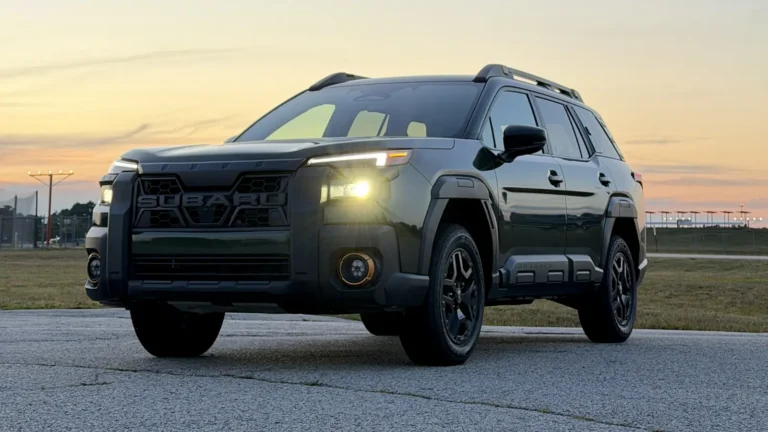
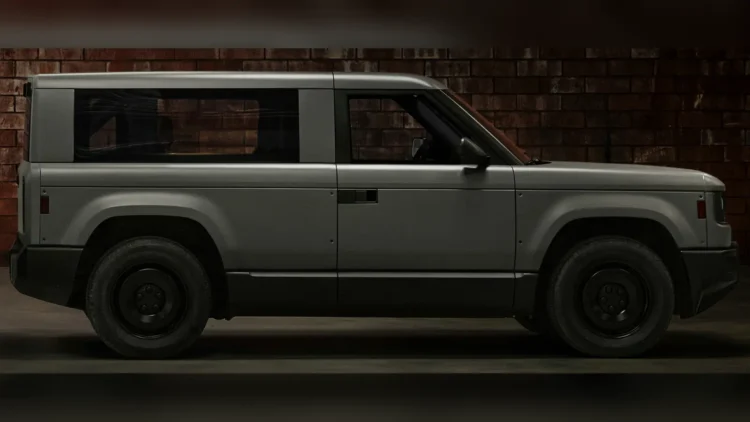
Another noteworthy venture is preparing a scamp-sized battery-powered pickup. Slate Auto expects to start making its scrappy hauler by the end of this year at its factory in Warsaw, Indiana. Few details about the truck are known yet. But low price is a prominent component of Slate’s approach. The company says its little pickup will be priced at $24,950. An additional $5,000 will buy a do-it-yourself conversion kit that transforms the slab-surface pickup into an SUV.
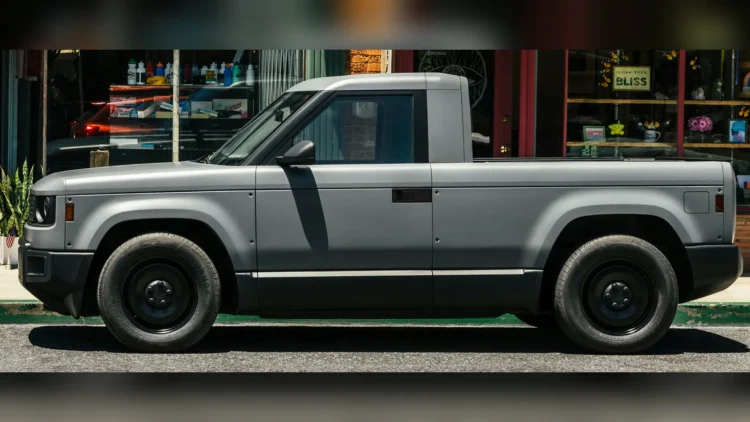
To reach that low price, Slate sticks to basics. The rear-drive pickup will have a front seat only, no crew-cab back seat. That means room for two riders only. But its open bed in back will be larger than the cargo box of other scaled-down pickups, including the gas-powered Ford Maverick. Slate also skimps on needless conveniences. The truck will have heating and AC. But its windows will roll up and down with a hand crank. Eliminating button-operated electric motors to raise and lower windows not only lowers manufacturing costs to support a lower price. It also cuts electricity use. That’s a big concern for cars that run on batteries. Slate expects its little pickup truck to carry you about 200 miles on a full charge. Of course, if you load up its back with heavy cargo, its range will drop considerably from the added weight.
A significant disadvantage of electrics is how any added load depletes the battery, shortening driving distance. Just heating or cooling the cabin noticeably cuts range. With gas-fueled vehicles, gas mileage also decreases with increased loads. But at gas stations you don’t face an hours-long refuel burden.
That disadvantage restricts battery-powered cars and trucks to secondary roles, within prescribed areas covering limited distances – with trips punctuated by long spans to plug in and recharge. Making them small and light increases their usefulness because lighter loads draw less electricity, extending range. Making them small and light also reduces their purchase price – a necessity for occasional-use secondary scooters.
The precedent for small electric get-abouts is already well established with golf carts. They’re popular within the confines of resort communities, and on golf courses, of course – limited distances within prescribed areas. Robust, fully enclosed, street-worthy small electrics like the Slate pickup and Wink Mark3 extend the concept. But significantly, these new-breed street vehicles are not mere up-scaled golf carts with enclosed seating. They are fully functional, street-worthy cars and trucks scaled down to an economical size that uses battery power sensibly.
America’s entrenched, established, old-school auto companies leaped into battery-powered cars and trucks with large, heavy, expensive models, like the Ford F-150 Lightning and the Chevrolet Silverado EV pickup trucks. The companies approached electrics like one-to-one replacements for the gas-fueled movers that evolved over a century and now provide personal transportation to all Americans. But battery power and gasoline power are not one-to-one equivalents. I’ve discussed that fact in a number of articles. For a review, start by visiting these articles: The Hyundai Ioniq 5 and The Ford Mustang Mach E, and also Three EVs, from Ford, Toyota and Volvo. Read An Electric Experience for a comparison of gas engine versus electric drive technology.
Young, eager, flexible, quick-thinking companies now are looking at the world the way it exists, not the way that electric-car idealists and disconnected auto executives fantasized. Yes, the ancient order among auto companies is coming around to reality too. I’ll write soon about encouraging rumblings in America from Chrysler’s European overlord, Fiat, from Ford, and even from faltering Germany’s Volkswagen. They’re mounting new battery-car efforts that may redeem their early attempts. But if they succeed, they’ll be following the fresh thinking of newcomers like Slate and Wink, making electrics that are small, light, and secondary.