Visiting Bennington: A Turn-by-Turn Vermont Road Trip
A turn-by-turn road trip to history and to rural Vermont
For a road-trip destination in rural New England over this year’s Independence Day holiday – July 4th during this 250th anniversary year of America’s birth – there could be only one choice: Bennington, Vermont. But even though the 4th has passed, don’t feel that you missed your chance. It’s a worthy and rewarding drive at any time.
Besides its picturesque and bucolic location among forests and tall hills on the edge of the ancient Taconic Mountain Range, Bennington was the site of a small, sharp, important battle during the American Revolution. The history drew me even more than the scenery.
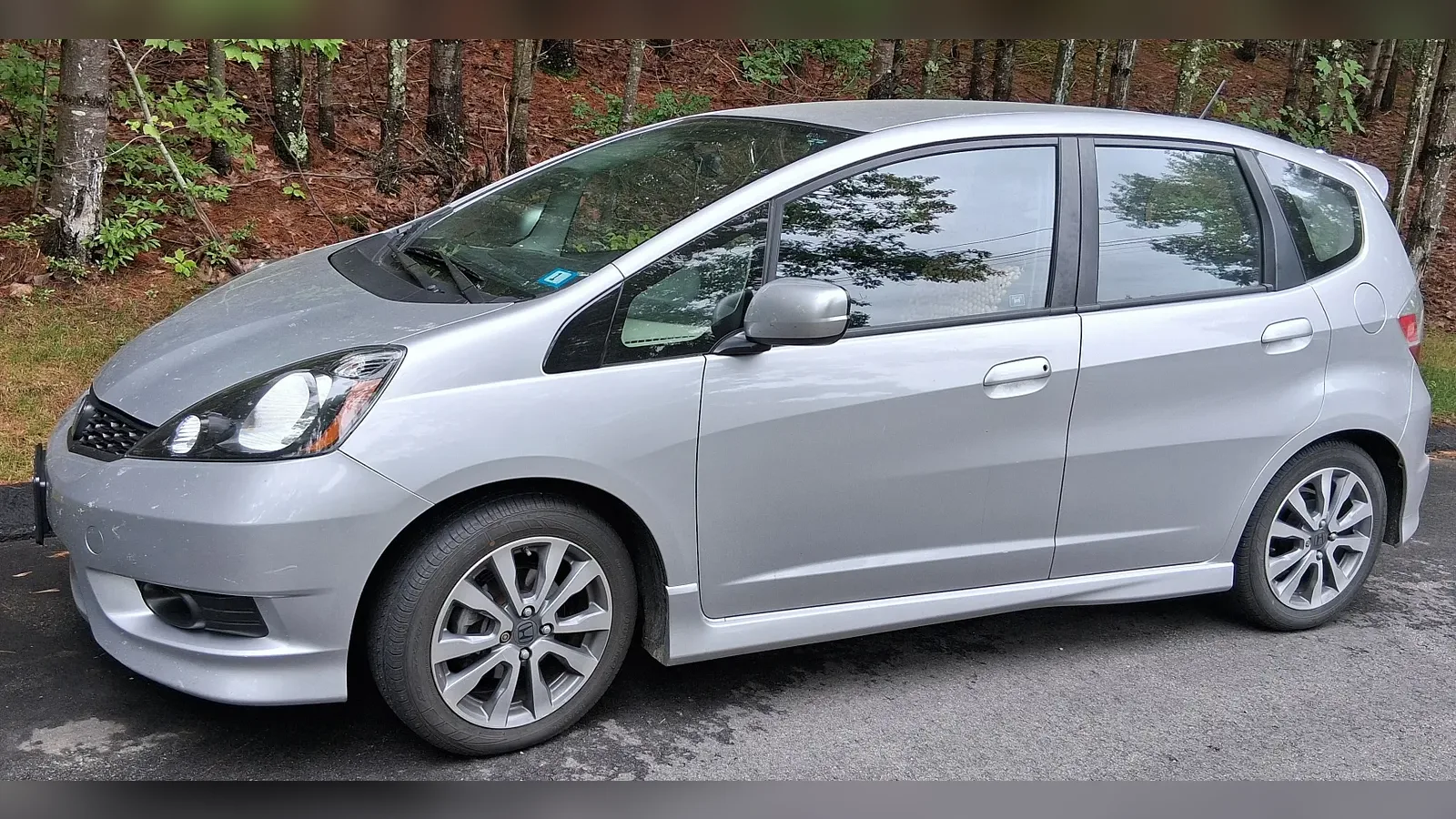
Rather than a notable new car to drive and evaluate during the trip – one of the stunningly contemporary models that car companies loan us car writers to evaluate – I drove my own highly admired little runner, a 2013 Honda Fit. Honda deserves more publicity than I could give it for its feisty little Fit. Unfortunately, today you can only buy one that is used. Honda stopped selling the practical little hatchback in 2020. I’ll keep mine forever. Sure, as an economy car it lacks the soothing comfort of today’s large lunkers. But it provides a surprising amount of cabin space for such a small scamp. And during uninterrupted, steady-state driving on rural roads of the type I traveled in southwestern Vermont on Independence Day, my 13-year-old Honda Fit trundles for 43 miles on a gallon of gas. When I drive it, I pass a lot of Teslas marooned at charging stations.
Bennington is nestled at the western boundary of the six states that comprise New England. You pass through pleasing scenery as you approach the small burg from any direction. But most of us will come up from the south or across from the east. From the south, people driving up from Connecticut or New York City will do much of the distance on Interstate 87 or 90. When you exit those droning freeways, make your way to Williamstown, Mass, and finish on the same scenic stretch that I finished on.
I started in the east, near Boston, crossing Massachusetts on its old state highway, Route 2. Driving Route 2 is oppressive through its eastern half. But some oppressive driving is unavoidable on every road trip. Simply endure it. Once you clear its eastern stretch, pointing west, near the mid-state point where the road crosses the wide Connecticut River, Massachusetts Highway 2 acquires the name Mohawk Trail. That’s because it follows an ancient footpath worn by the native Mohawk people when they traveled east in summers to raid rival Native American settlements.
Today’s Mohawk Trail is a well-kept two-lane highway that toes through the upper portion of western Mass. It tumbles, slants, switches and swerves as it rims hillsides and parallels stony streams. The only place the Mohawk Trail’s scenery disappoints is through the hollowed-out city of North Adams, Massachusetts, far westerly. North Adams once was a bountiful manufacturing center. Today, like too many once-productive places, it grows shabby and poor because its citizens no longer make many things to sell, things that other people need and want.
But as you roll a tad further westward on Route 2, North Adams melds into Williamstown, a spiffy little college center that hasn’t yet been spoiled by its college’s excesses. You’ll find some accommodating stops for refreshment close by.
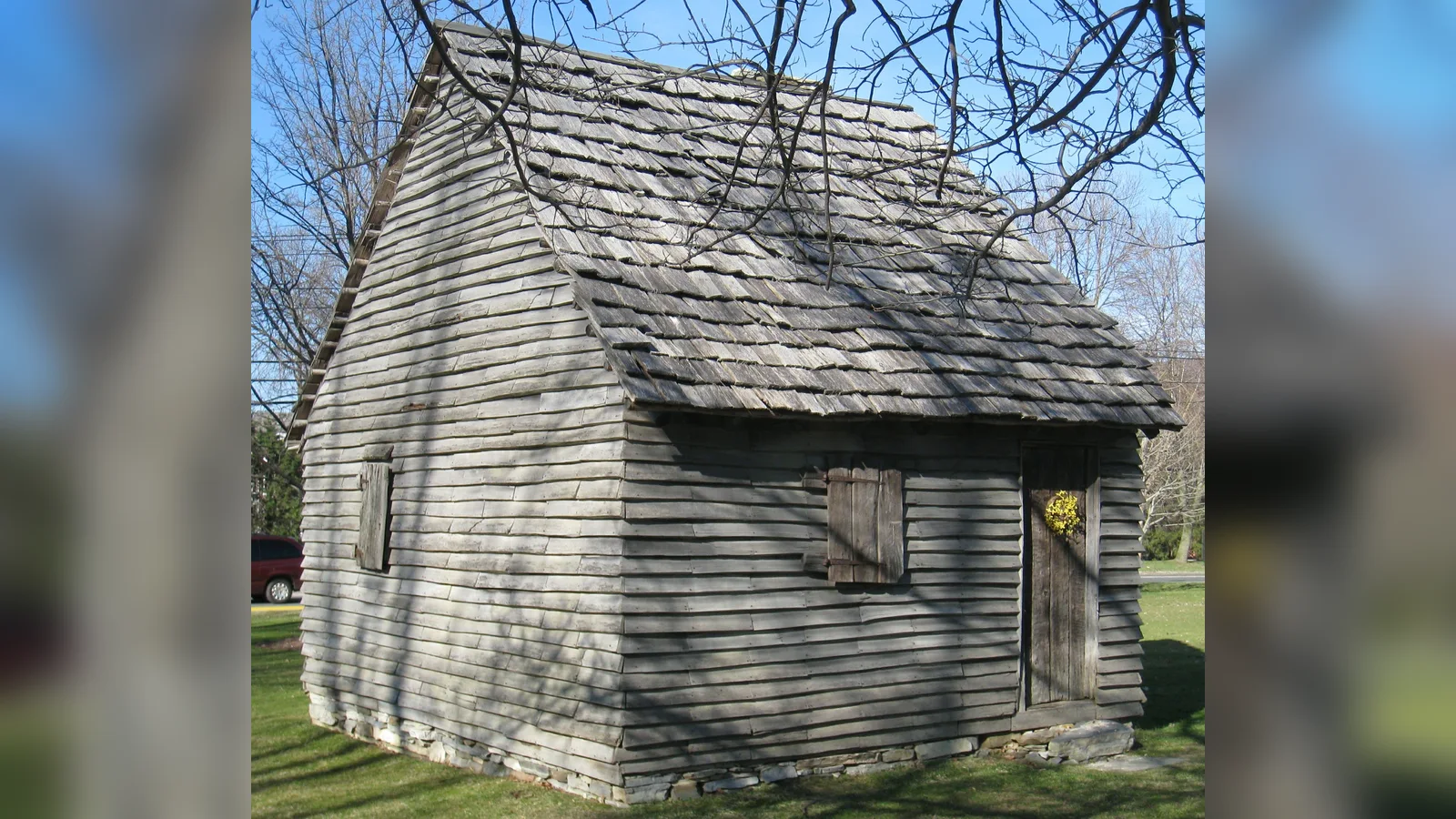
Passing through the Williams College campus, you intersect with U.S. Highway 7 heading north. The two routes join right where the Mohawk Trail splits to circle around a small, tree-filled and inviting, oval-shaped park – it seems much like a historic village green. Stop there to see the 1753 House, an accurate and realistic replica of the crude huts that New England frontiersmen lived in at the time of the American Revolution. It will give you some grounding for your Bennington visit.
You pick up U.S. 7 northbound at the northeast point of that oval-shaped park, the point where you entered its roundabout from the Mohawk Trail. From there, U.S. Route 7 shortly takes you into Vermont. It will lead you smack into Bennington if you stay on it, through woody New England hills like you encountered on the Mohawk Trail.
But I recommend that you abandon Route 7 after just four miles, branching left onto Vermont State Route 346 in the tidy village of Pownal. A meandering two-laner, Route 346 slants northwestward and crosses into New York State. It follows the Hoosic River, staying in the flat, level lowlands through the hills that the sleepy Hoosic carved when it was a raging waterway swelled by glacial ice-melt about 10,000 years ago. Today the river flats provide pleasant driving for seven miles, to North Petersburg, New York. There Route 346 ends as it intersects with New York State Route 22. From there, you turn right and travel on NY Route 22 northward for a bit over two miles, until it deposits you onto New York State Route 7, in Hoosic, NY.
The 14-mile detour after Williamstown, Mass – up U.S. 7 to Vermont 346 to New York 22 until you hit the tee at New York 7 in Hoosic – scooting through the Ice Age creation that’s now the Hoosic River Valley – carries you through Walmart America. Threading between steep woody hillsides and tranquil farming flats, the road’s widely spaced homes (and trailers) are occupied by independently minded people who prefer rural solitude and seclusion over wealth. They reject showy trappings; the ease and economy of Walmart shopping suits them. They’re a modern approximation of the rough-cut woodsmen of Revolutionary America who occupied log huts like the 1753 House you saw in Williamstown – although they live much, much more comfortably in the abundance of our current era.
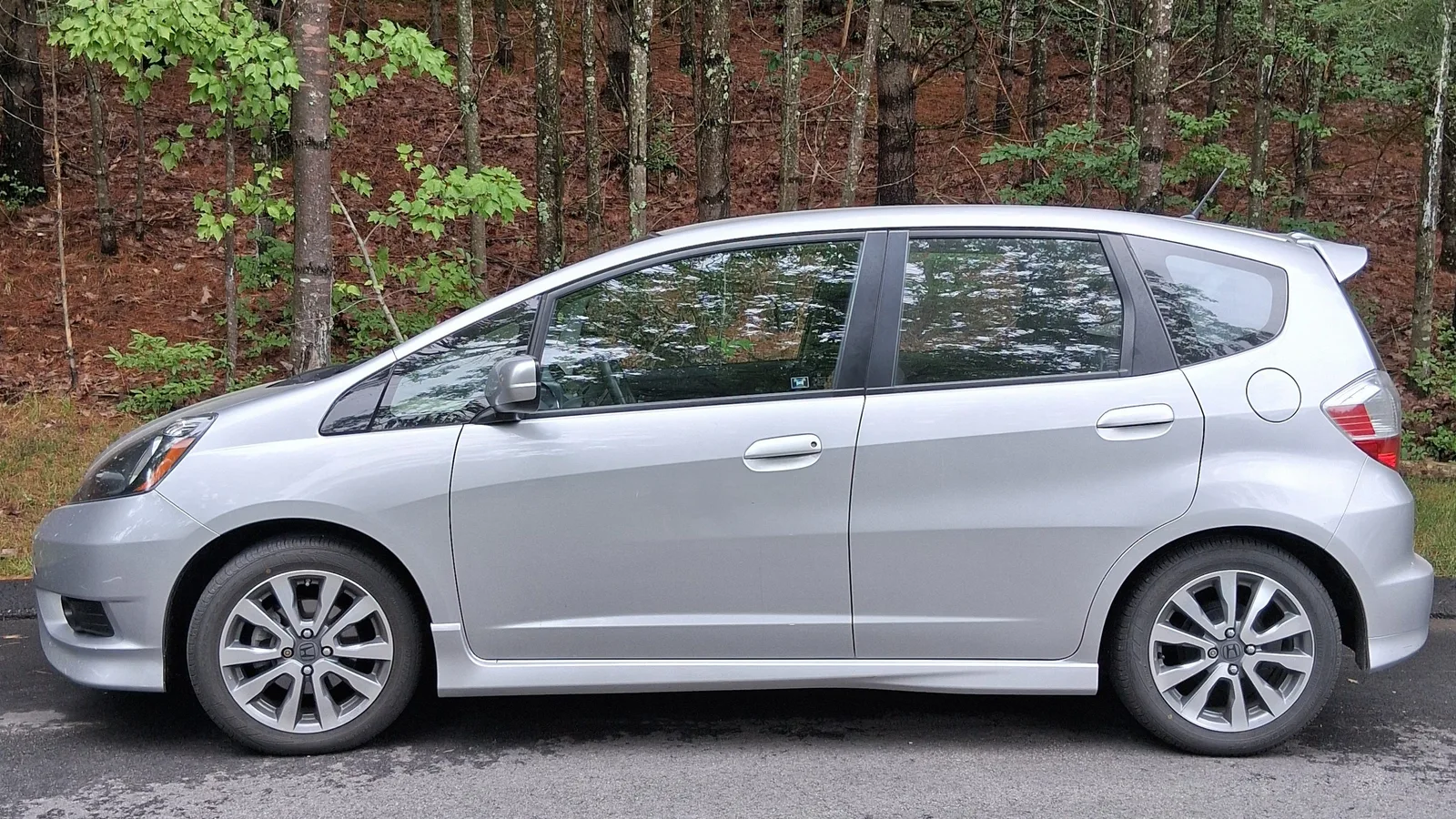
A particular attraction of this roundabout route in my aging Honda Fit – the reason I chose the small car for the trip – is the constant contact a little scooter maintains with its surroundings. Large vehicles loaded with lulling conveniences insulate and separate you from a road’s wonders. And aren’t roadway wonders the whole reason for a road trip? In the fabulous Fit, I felt a part of all that I passed. Also, my body was joined joyously to all of the motions of the rural roads, their undulations and swoops and swerves. Small cars transmit to your body the inertial forces car-travel creates. It’s fun.
For maximum driving pleasure on such routes in a currently available car, I send you to the Mazda MX-5 Miata. To learn why, read my earlier review of the little two-seater, titled Buy your teenager a sports car instead of an iPhone. Find it here.
But let’s hustle to Bennington now, returning to our road trip from where we left off. From New York 22 North, you turn right, eastward, onto New York 7 at a picturesque stone cottage (and a Stewart’s Shops gasoline and junk-food station behind it). Stay on New York 7 East till you re-enter Vermont. (Don’t miss Route 7’s right fork about three and a half miles past the stone cottage.) The highway becomes Vermont Route 9 once you cross the state line.
It leads you into Bennington. Several descriptions fit the place. It is a mini city, an overgrown crossroads village, and a sheltered enclave for settled, wealthy gentry. The town also hosts a small college.
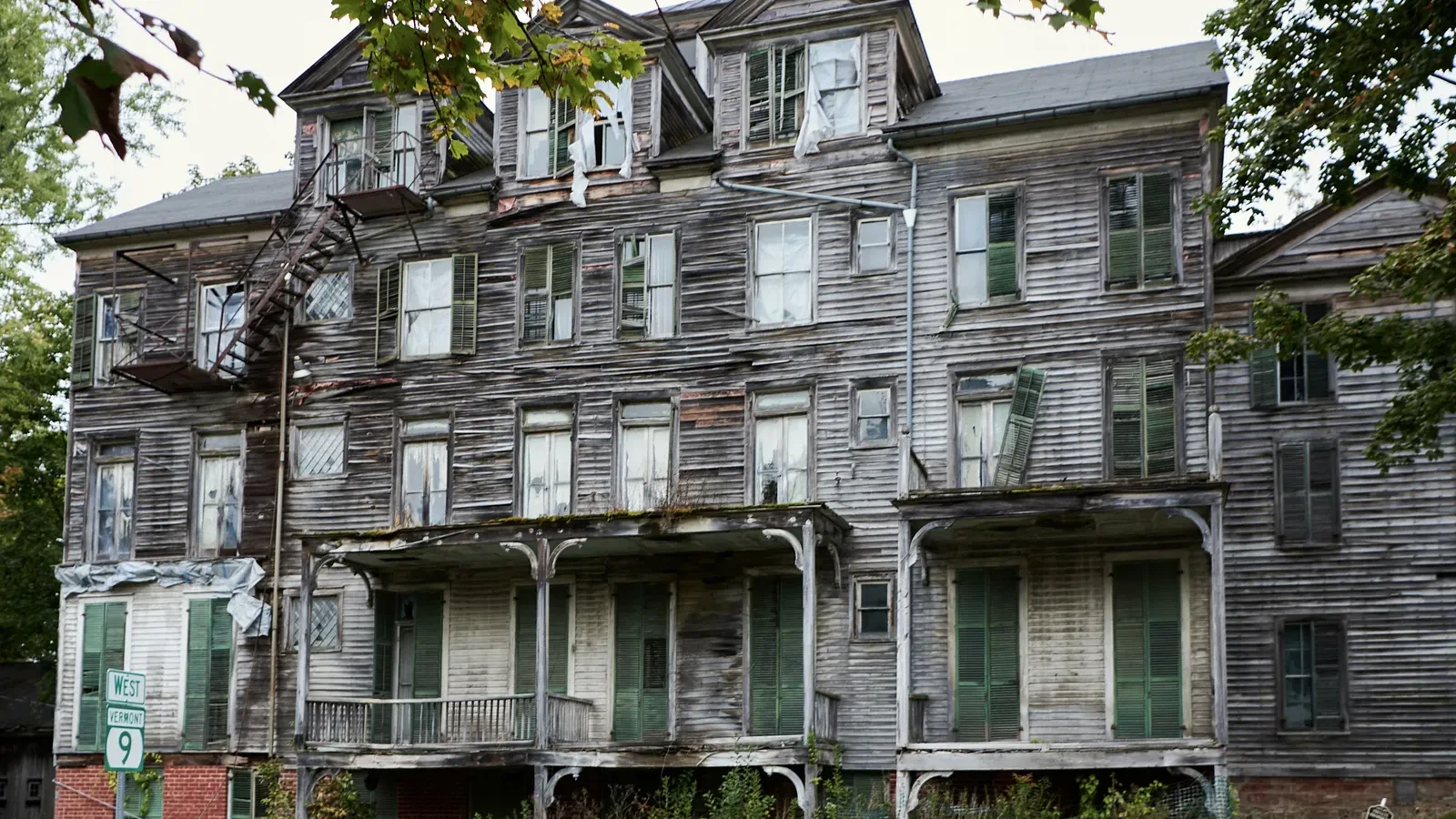
Entering from the west, shortly after you cross the town line, watch for the point where Vermont 9 makes an angular left turn in a wealthy neighborhood called Old Bennington. On the inside of that sharp left, goggle at the decrepit Walloomsac Inn. An historic wooden hulk, just two years ago it looked more like a haunted hotel than any other structure you could ever hope to find. Now it’s being rehabbed with the aim of eventually opening as an inn for the living. Again.
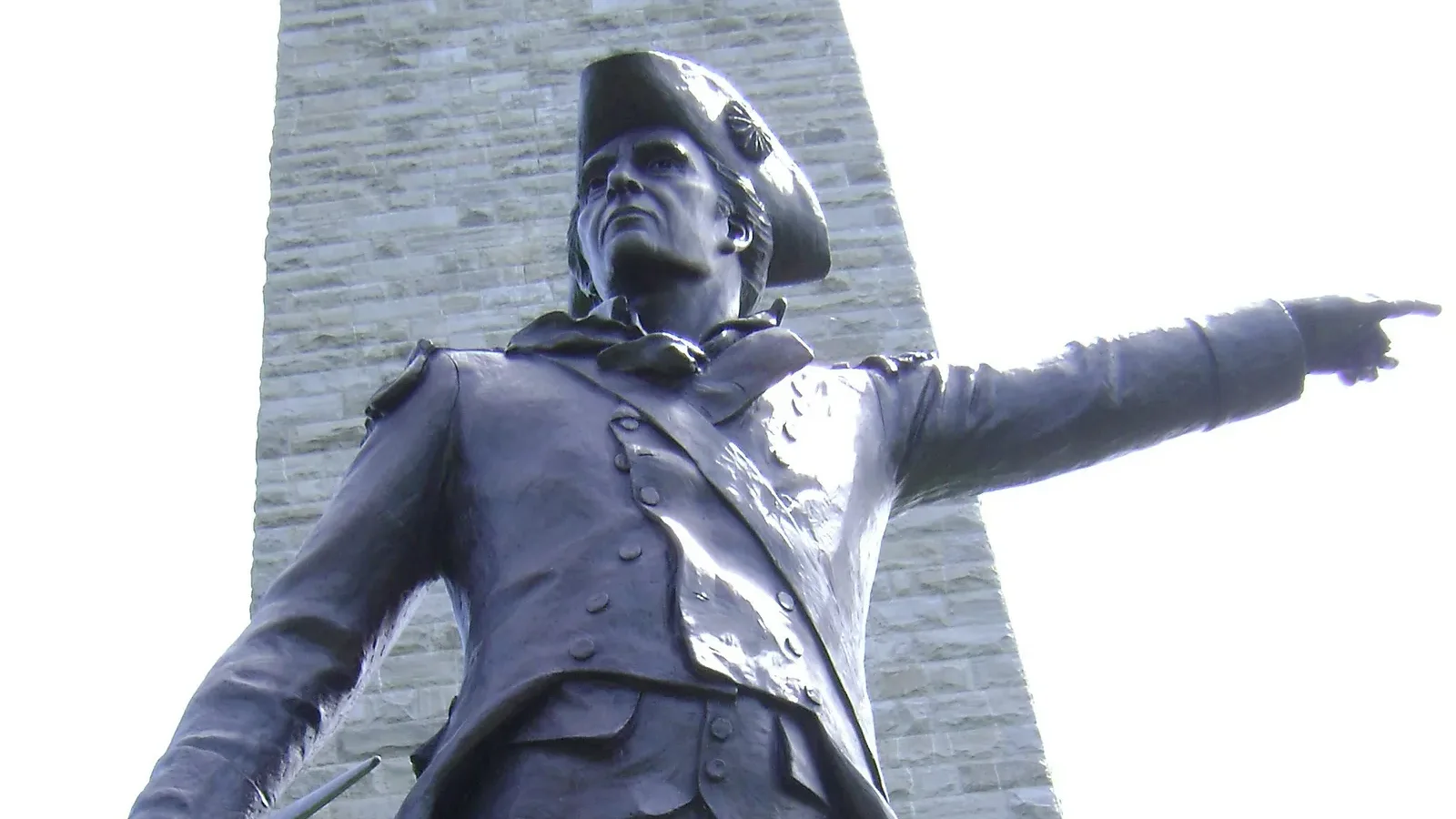
Before following Vermont 9 downhill from Old Bennington into Bennington proper, drive straight, onto Monument Avenue, past the homes of some current-day gentry, to visit the Bennington Battle Monument. It’s one of the three must-see sites on this Revolutionary pilgrimage. The others: the Bennington Museum and the Bennington Battlefield.
In August 1777, before the decisive American victory at Saratoga, invading British General John Burgoyne sent some of his best troops to capture American supplies at Bennington. They met New Hampshire volunteers under American leader John Stark. Though superior in number, the New Hampshire boys were unschooled recruits wearing their own tattered togs and wielding their private weapons – woodsmen and farm boys against highly trained soldiers. Many of them had traveled from forest-frontier shacks like Williamstown’s 1753 House. They destroyed the professional soldiers the British had sent.
You can ascend the Bennington Battle Monument in an elevator for marvelous views of the surrounding landscape. You’ll also pick up interesting information about the Battle of Bennington at the park-like monument site.
Back on Vermont Route 9, just down the hill from the monument, the Bennington Museum is another of the three stops on our battle tour. It contains a Military Gallery that focuses on the local battle. The museum also houses a lot of pleasant artwork and artifacts that make for a worthwhile half-day visit.
Stop number three is the Bennington Battlefield itself. The site is about nine miles northwest of the Bennington Museum, just over the border into New York State. The battlefield occupies an undeveloped, open expanse with some interpretive displays that explain the battle scene.
During your return, feel satisfied for having learned about a grand event in the Revolution that created America – and for enjoying some glorious driving along the way.