A Ford Super Duty, a Trailer, and 2,300 Miles of Route 66
In 1914, Henry Ford and naturalist John Burroughs wanted to visit Thomas Edison in Florida. They explored the Everglades and other regions, starting an experience, a movement for more Americans to see their country.
The following year, Harvey Firestone joined the trio as they explored the state of California, now with a larger assortment of Ford vehicles and support equipment. Over the next decade, these fast friends who became known as “The Vagabonds” added Presidents and other dignitaries to their often summer-long adventures to the Smoky Mountains and other places of great prominence previously known only to a limited few intrepid people with the ability, and capability, to organize such adventures.
Roads were few, almost always constructed of dirt, and sadly, the GPS system had yet to be invented. Paper maps were often incorrect and oil-company sponsored road maps were yet to be available.
The stories about Henry Ford and his entourage—widely shared—certainly benefited Ford’s fledgling auto empire, but also created mass lust among Americans yearning to learn, and see, more about their still growing country. “The Vagabonds” planted the seeds of travel for generations to come.
Fast forward a decade. Activists in several states were looking to create a road network that would connect the fast-growing urban communities of the Midwest with the resources of the far west—especially California. Several groups worked to create one road that could link Chicago, a large metropolis, St. Louis—the eighth largest American city at the time, Tulsa—the gateway to immense oil fields, scenic Albuquerque, and other growing cities with Los Angeles.
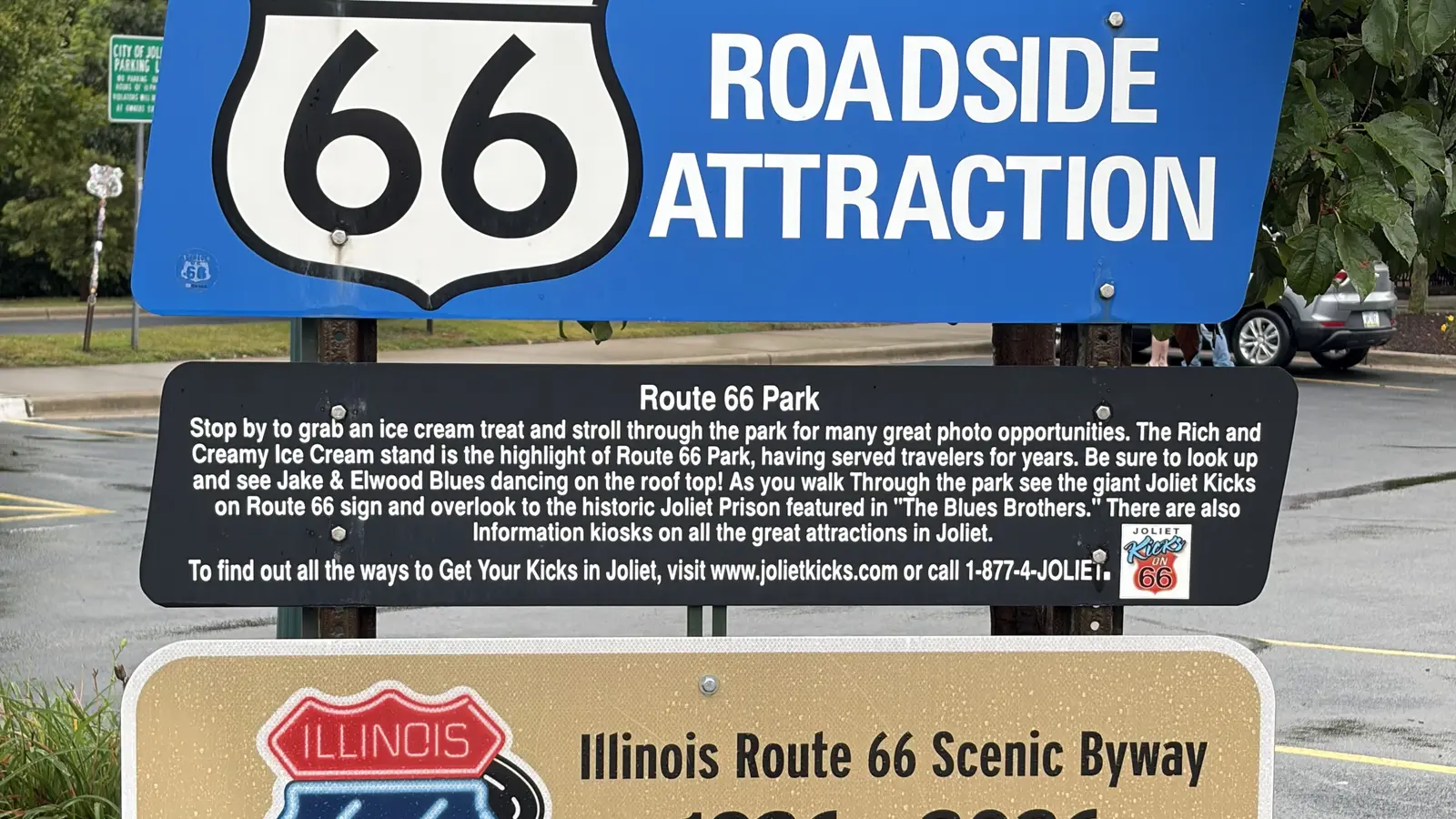
In 1926, the mapping was completed to create Route 66—the Main Street of America. It would cross eight states, stretching over 2,300 miles but enable goods, services, and people the freedom to move east and west at their leisure, or for work. If railroads were nearby, the new road would offer a less expensive alternative, an on-demand method of travel.
By 1929 and the Great Depression, the Main Street of America became a conduit for thousands of unemployed Americans to move to the more prosperous states of California and Arizona. Cultures were uprooted overnight, as Route 66 was a last hope for farmers avoiding the Oklahoma dust storms, and laborers with nothing to work at. Ford’s Model Ts, and Model A products, were often laden with families carrying their every belonging as they plied the rough, rural patchwork of roads that later became better known as “The Mother Road.”
By 1985, the Main Street of America had been delisted as an active thoroughfare. Signs disappeared, as new routes replaced the former road. Interstate highways rapidly took over the role of The Mother Road, while small towns along the infamous route often shriveled up and expired.
But today, Route 66 is in full revival. Celebrating its 100th birthday, there are events along the whole corridor and increased focus on what is often declared as the most famous road in the world. Indeed, thousands of European and Asian visitors come to America every year to experience Route 66.
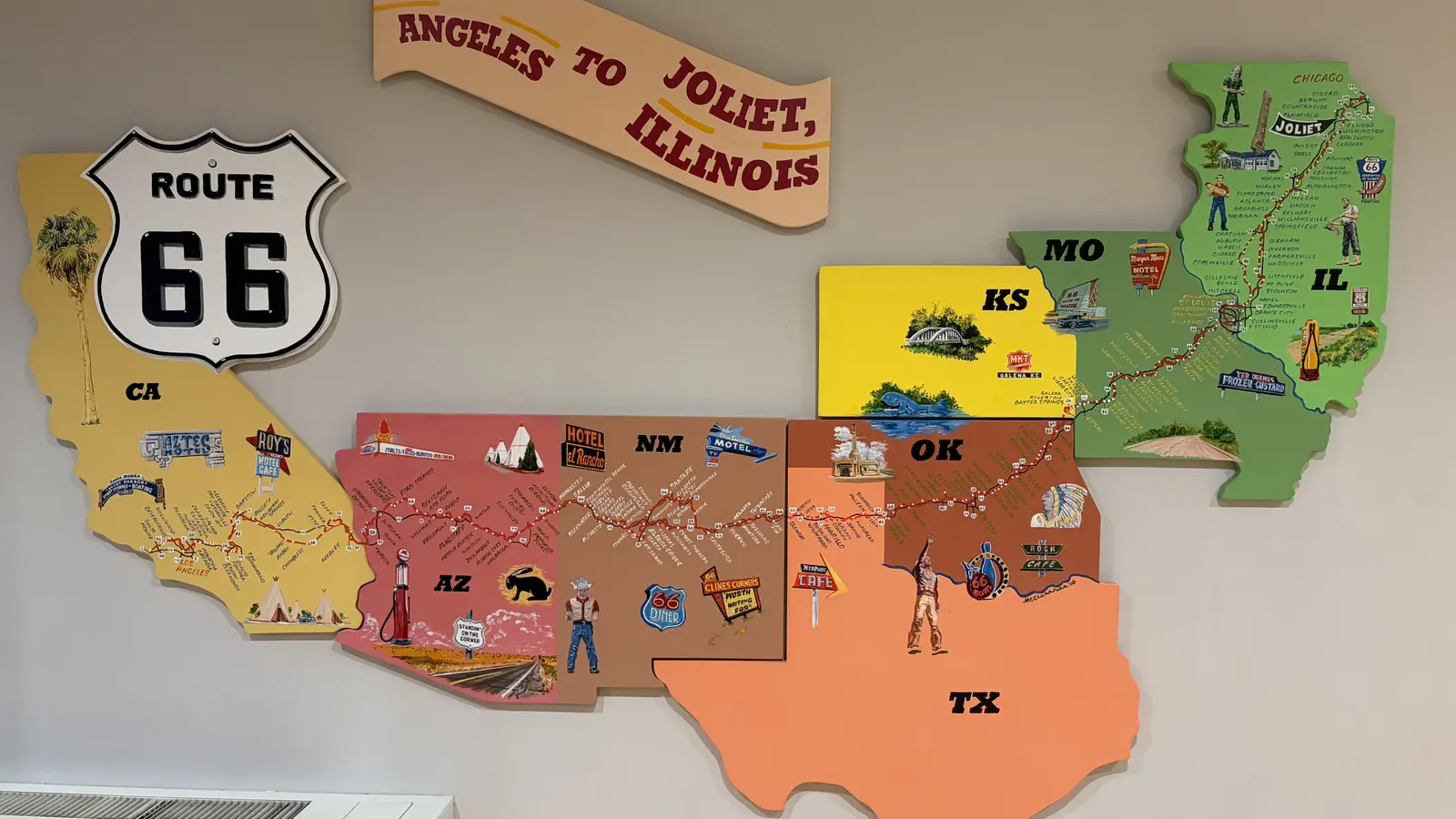
In many locations, you can drive on “Historic Route 66” right alongside “Original Route 66” as well as the interstate roads that replaced the Mother Road. In parallel, you might also have a railroad alongside, a power line, and often, a river. Each defines the expansion—in some way—of America’s transportation infrastructure.
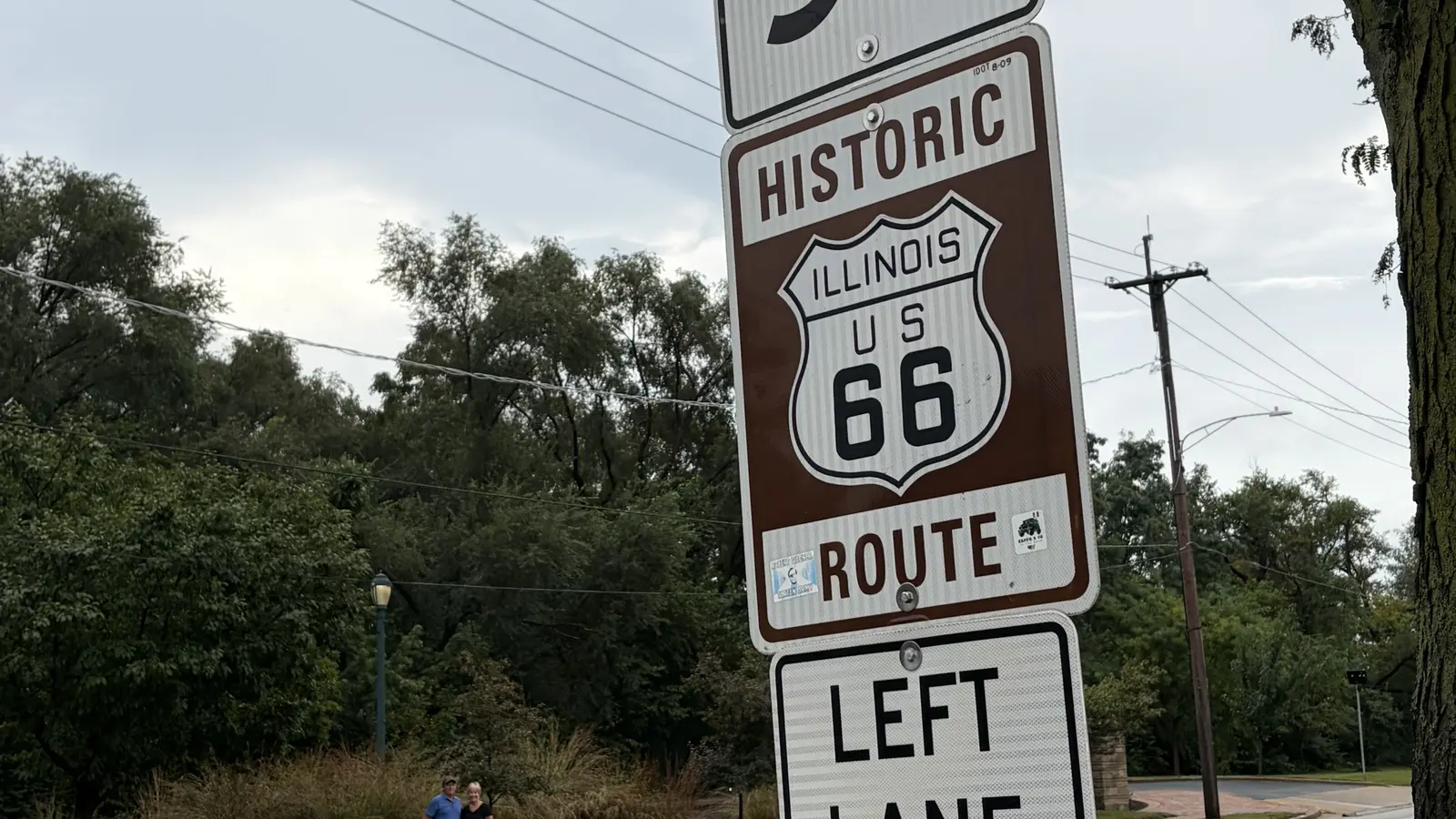
Remember the travel lust instilled by Henry Ford, and even young writers like Billy Robinson—who chronicled his high school trip across Route 66 from Joliet, Illinois in a school bus in 1948—Route 66 has been calling to Americans for 100 years. Popular Hollywood visual takes on this route, as well as musical renditions of the allure of visiting each of the eight states that make up The Mother Road, only added to America’s earnestness to participate in a Route 66 adventure.
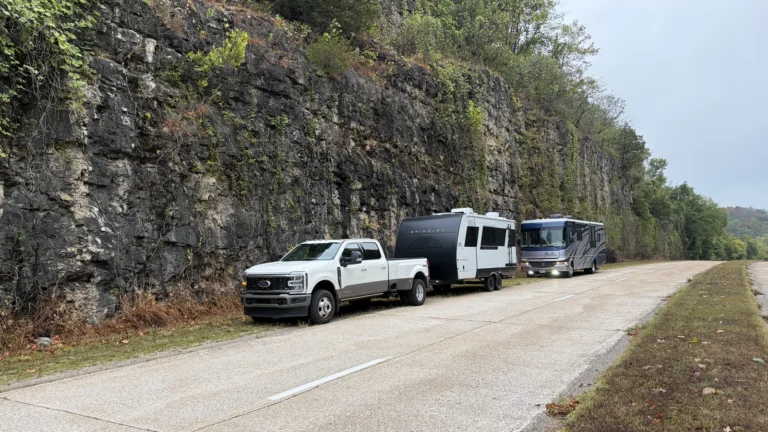
Naturally, a casual conversation led to the idea that sure, we needed to partake in the “Get your Kicks on Route 66” party. After several months of planning, alternating transportation efforts, we—four retired kids from Downeast Maine—purchased one RV and one new travel trailer to march ourselves across the United States.
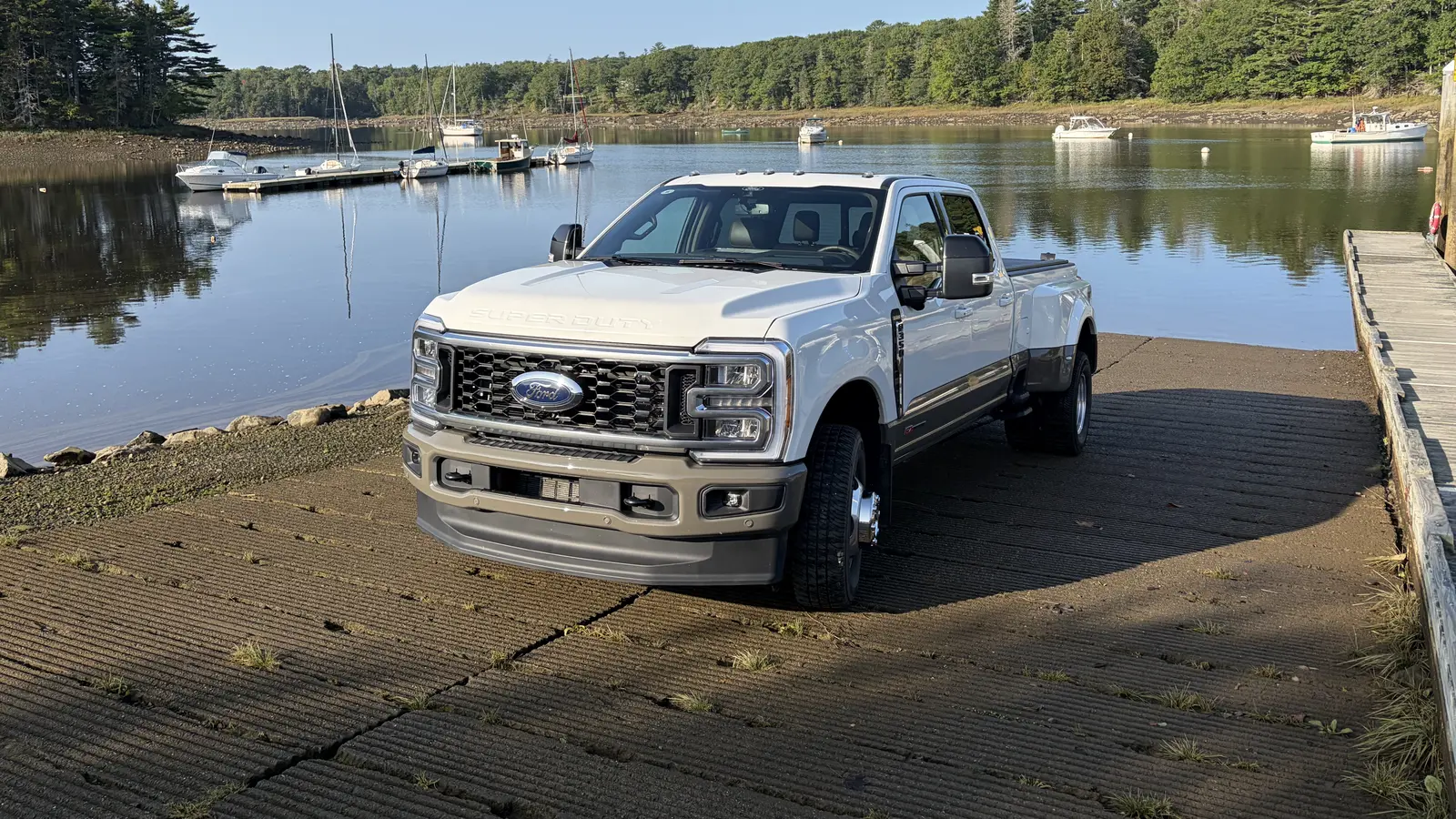
Working with our very cooperative Ford contacts, a certain Ford Super Duty crew cab, dually, 4X4 pickup truck would be made available to haul our new Brinkley trailer. We would not be erecting canvas tents, digging toilet pits, or cooking over an open fire like Henry Ford and his extended entourage. We would not be fixing flat tires every twenty miles, or, replacing starters. Our Super Duty would have massaging seats with heat and cooling, a heads-up display that shares my navigator’s precise iPhone mapping, while Sirius satellite radio would regale us with conversation, sports, and of course, country music. Hey, you can’t see the USA without John Denver, Tim McGraw, Johnny Cash, and Garth Brooks.
So, we’ve departed Maine before the fall solstice, heading west and then south across this famous road, looking for fun, learning more about our history, and hoping to see an America that is vastly different from New England. So far, we’re learning more than we ever expected.
Next up: Maine to the Mississippi with Ford and Brinkley.