Ridgeline, Santa Cruz or Maverick: Pick Your Trade-Off
Not long ago, “midsize pickup” meant something narrower and more traditional. Today it’s a wide-open category, and nowhere is that more obvious than with these three unibody trucks: the Honda Ridgeline, the Hyundai Santa Cruz, and the Ford Maverick.
These three trucks are kind of how people described the early Beatles: The Smart One, the Cute One, the Quiet One and…later on, Ringo. We’ll leave the Ringo spot for the Slate or the Ford Fathom when that truck arrives.
He hadn’t arrived yet when they recorded this, either:
All three ditch the body-on-frame construction of a Tacoma, Colorado or Ranger for a crossover-based platform, and all three land in the same basic conversation — a truck bed without the punishing ride of a real truck.
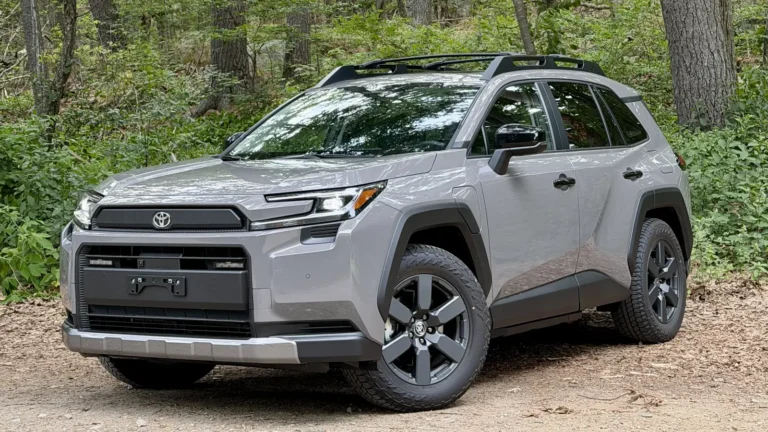
But spend time in a top trim of each, as I did with the 2026 Ridgeline TrailSport, Santa Cruz Limited, and Maverick Lobo, and it becomes clear these three are solving the same problem in very different ways.
I spent time on 95 between Framingham, Massachusetts, and Portland, Maine, with all three trucks. I towed small boat trailers, hit the dump, went to Maine Hardware and parked in the notoriously busy Old Port with all three, and got a good sense of what their pros and cons were.
What I came away with was that the last thing I need is a full-size pickup.
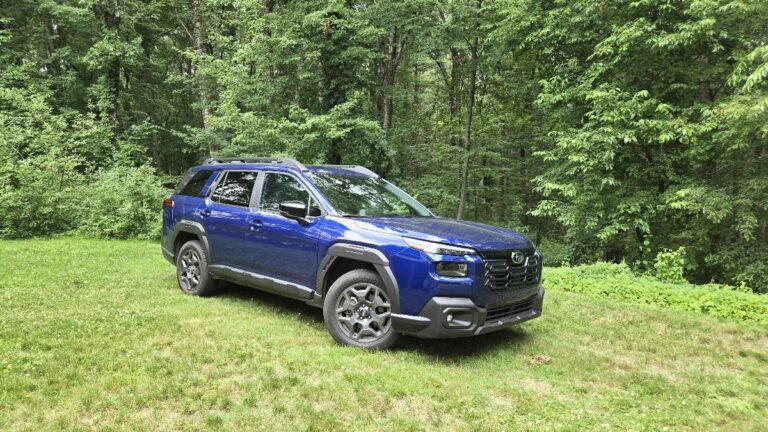
Honda Ridgeline TrailSport: the Quiet One
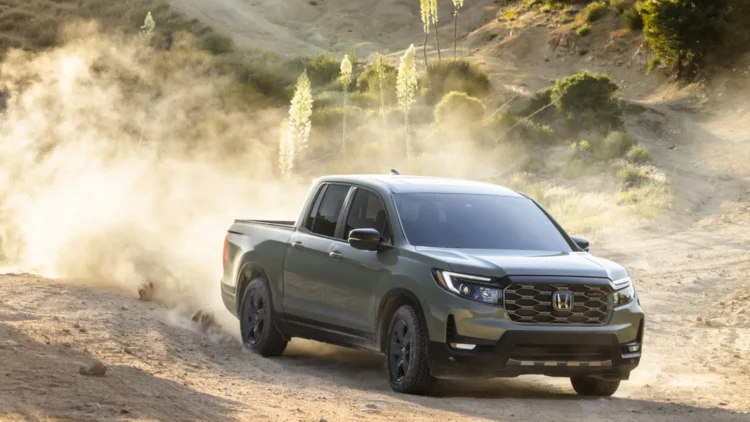
The Ridgeline has always been the odd one out — bigger, pricier, and built more like a tall crossover than a truck. The TrailSport trim doesn’t change that formula so much as dress it up with all-terrain tires and cosmetic trim, and at an as-tested price around $47,500, it’s comfortably the most expensive truck here.
That price buys the nicest ride of the bunch. Independent rear suspension and a longer wheelbase mean the Ridgeline soaks up rough pavement in a way neither competitor can match, and the cabin feels more like a well-sorted SUV than a pickup — quiet, roomy, and clearly the pick for anyone whose “truck” duties are mostly grocery runs and especially hauling more than three people around. The standard 3.5-liter V6 makes 280 horsepower, more than either rival, and it’s paired with standard all-wheel drive.
Where the Ridgeline doesn’t separate itself is towing: its 5,000-pound max rating is identical to the Santa Cruz’s top figure, so the extra weight and length here aren’t buying you extra capability, just extra comfort. Fuel economy is also the weakest of the three at an EPA-estimated 20 mpg combined. The Ridgeline is a fine choice if comfort is the priority and price is secondary — but it’s hard to call it the practical choice.
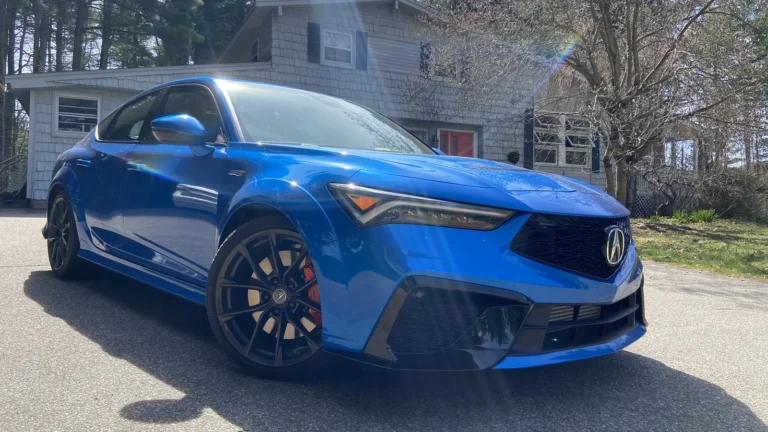
Hyundai Santa Cruz Limited: the Cute One
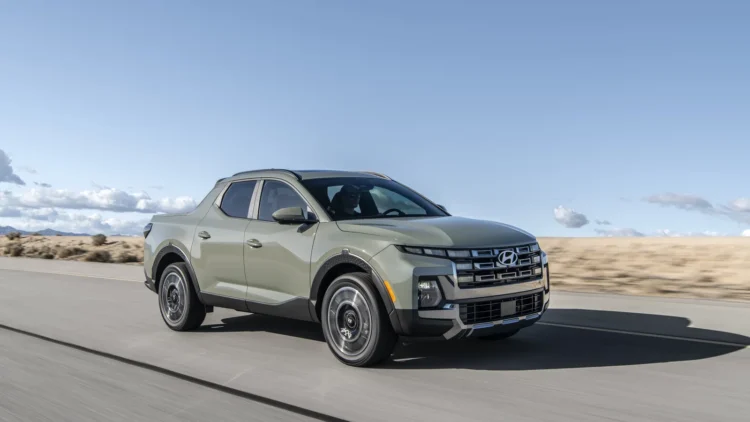
Out of all three, the Santa Cruz is – subjectively, of course – the best-looking of the bunch. Its proportions are bang on, and the way the cab integrates with the bed is the most finished of the three.
The Santa Cruz splits the difference in almost every way that matters. The Limited trim, with its turbocharged 2.5-liter four-cylinder making 281 horsepower and standard HTRAC all-wheel drive, matches the Ridgeline’s 5,000-pound tow rating in a smaller, cheaper package — MSRP lands around $42,600, several thousand less than the Ridgeline. It also drives with more of a sport-sedan character than either rival, which fits Hyundai’s styling — this is still the truck that looks like nothing else in a parking lot.
The catch is fuel economy, and it’s worth being specific about where. The turbocharged, AWD-only Limited and XRT trims return an EPA-estimated 24 mpg combined. Given that the idea of a small truck is to economize a bit, that kind of fuel mileage is F-150 territory, when equipped with the PowerBoost V-6.
Only the Maverick, in its non-Lobo trims, offers genuinely class-leading efficiency, and the Santa Cruz doesn’t have an answer to that anywhere in its lineup.
So while the Santa Cruz is the best all-around blend of capability, price, and towing power here, it isn’t the mileage champion the segment’s most frugal buyers might want.
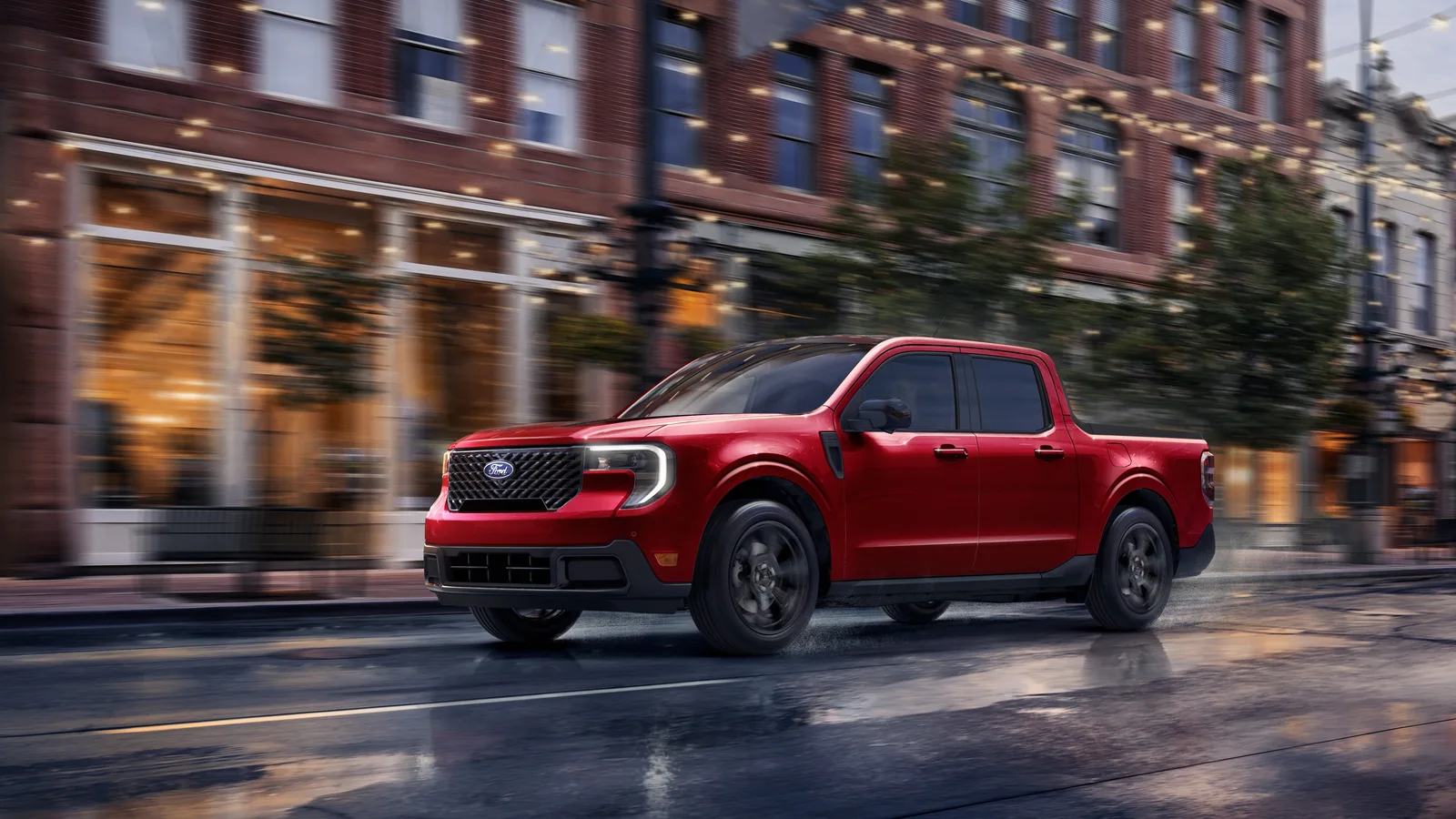
Ford Maverick Lobo: The Smart One (sort of)
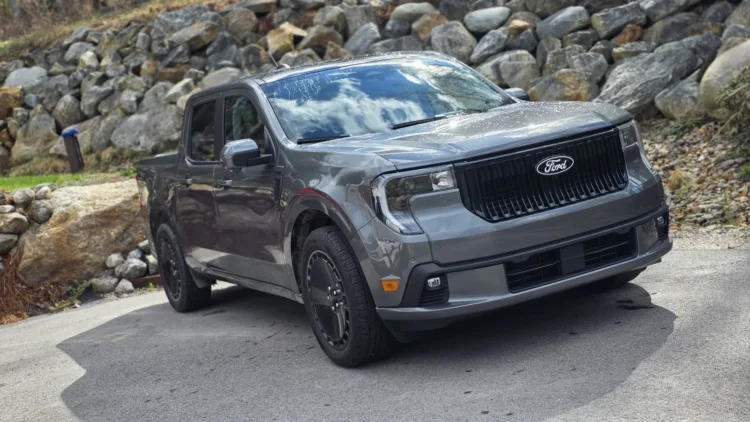
The Maverick has built its reputation as the value pick of the segment, and in its bread-and-butter XL and XLT hybrid trims, that reputation is earned — a standard 2.5-liter hybrid four-cylinder returns an EPA-estimated 42 mpg city, easily the best number in this comparison, or in the compact truck class generally. Even with its price increase since it was introduced in 2021, it’s still one of the cheapest hybrid vehicles available, along with being the least expensive truck in America.
The Lobo trim I drove trades that formula for something else entirely. It swaps the hybrid for the 2.0-liter EcoBoost turbo four (250 horsepower), adds a sport-tuned suspension, torque vectoring, and a dedicated “Lobo Mode” aimed squarely at making the Maverick fun rather than frugal.
It works — the Lobo is the most engaging of these three to actually drive, with sharper steering and more willingness to be hustled through a corner. But it gives up the hybrid’s headline efficiency, and its standard 2,000-pound tow rating (4,000 with the optional 4K Tow Package) trails both the Ridgeline and Santa Cruz. Starting around $37,840, it’s also the cheapest truck of the three, even loaded with options.
That’s the real takeaway with the Maverick: it isn’t one truck, it’s two philosophies wearing the same body. Buy an XL or XLT hybrid (now available in both FWD and AWD, with almost no MPG penalty) and you get the segment’s best fuel economy and lowest price.
Buy the Lobo and you’re trading that efficiency for a genuinely fun small performance truck. For me, I’d opt for the better mileage and lower price.
The End
All three trucks clear the basic bar of “midsize pickup with car-like manners,” but they get there from different directions. The Ridgeline spends money on comfort without buying extra capability. The Santa Cruz Limited matches the Ridgeline’s towing in a smaller, less expensive package, at the cost of the segment’s best fuel economy. And the Maverick undercuts both on price and, in its hybrid trims, blows past both on mpg — though the Lobo I tested trades that efficiency for genuine driving fun instead.
There’s no wrong answer here, just a question of which trade-off matters most to you.
But be warned: This equation is going to be completely reset when the Slate and Fathom arrive.